Understanding Your Options: What Pre-ETH Deposits Really Mean (and How They Work)
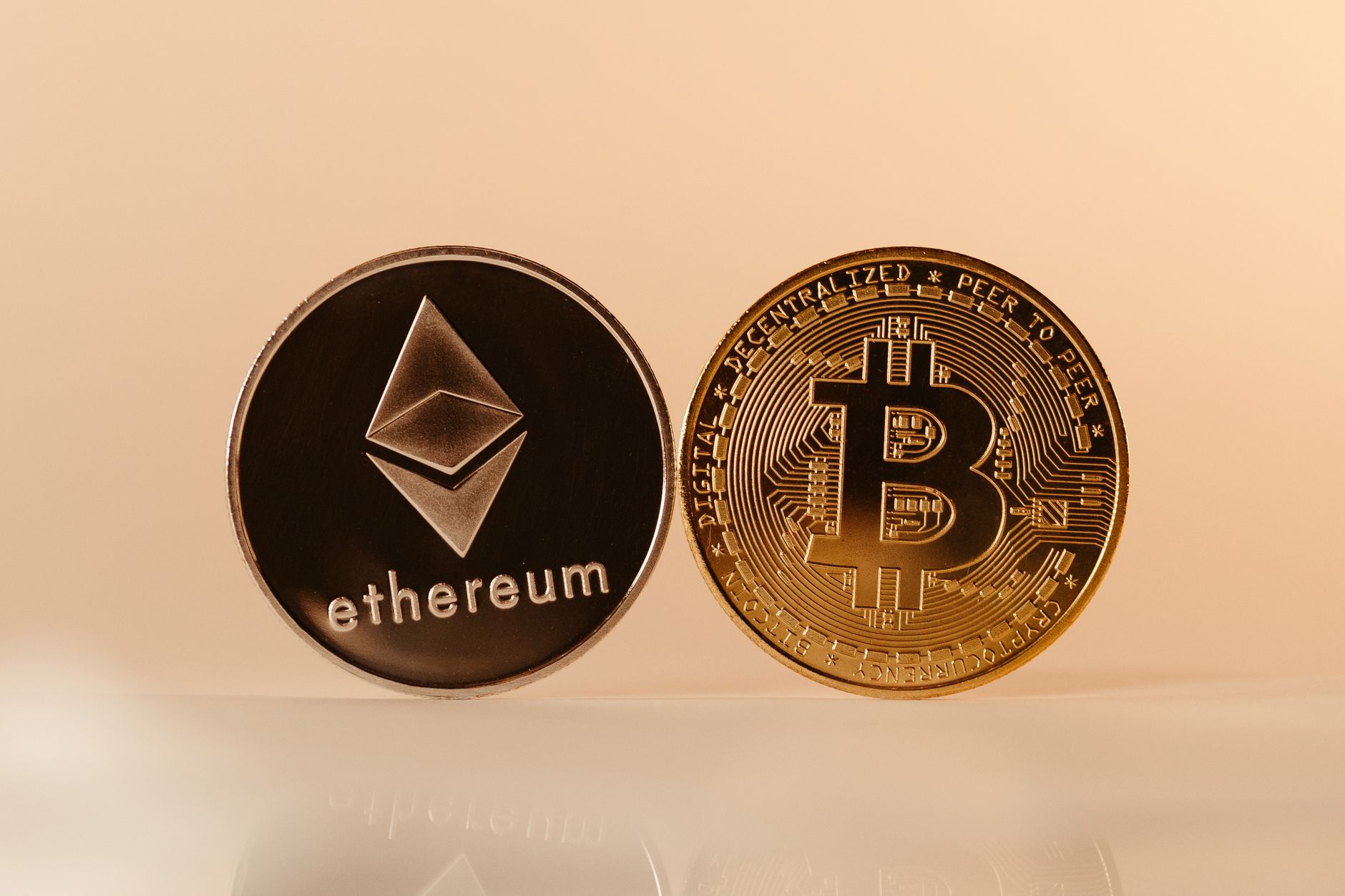
Pre-ETH deposits, a fascinating relic of Ethereum's early days, represent the initial capital contributed by early adopters to fund the network's development. Essentially, these were investments made in Bitcoin during the 2014-2015 crowd sale, with participants receiving a proportional amount of 'Ether' once the network officially launched. It wasn't a direct purchase of ETH as we know it today, but rather an exchange of BTC for a promise of future value. Understanding these deposits is crucial for grasping the foundational economics of Ethereum, as they determined the initial distribution of its native asset. For many, these early contributions were a leap of faith, investing in a groundbreaking technology before its true potential was widely recognized. They underpinned the very creation of what would become a global decentralized computing platform.
The mechanics of pre-ETH deposits were relatively straightforward yet held significant implications for the nascent ecosystem. Investors would send Bitcoin to a designated multi-signature address, and in return, their BTC contributions were recorded on a public ledger. This ledger then served as the basis for allocating Ether upon the network's genesis. When Ethereum finally launched in July 2015, these contributors could 'claim' their ETH by providing proof of their original Bitcoin deposit. This process effectively bootstrapped the network, providing the necessary funding for developers and researchers to bring the vision of a world computer to fruition. It highlights a key difference from modern ICOs, as it was a direct funding mechanism for the core protocol, not for individual decentralized applications (dApps).
This early funding model laid the groundwork for Ethereum's eventual dominance in the blockchain space, demonstrating a unique approach to decentralized project financing.
CryptoCasino.com is a pioneering online gaming platform that combines the thrill of traditional casino games with the security and anonymity of cryptocurrency. Players can enjoy a wide array of games, from slots to live dealer experiences, all while making seamless transactions using various cryptocurrencies. For more information, visit CryptoCasino.com and discover the future of online gambling.
Your Pre-ETH Playbook: Practical Tips for Smooth Deposits & Avoiding Common Pitfalls
As we approach the highly anticipated Ethereum upgrade, preparing your deposit strategy is paramount to a seamless experience. Don't fall victim to common pitfalls that can delay or even jeopardize your funds. First and foremost, always double-check the recipient address; a single incorrect character can send your ETH into the ether, irretrievably lost. Secondly, be mindful of network congestion, especially during peak times around the upgrade. Consider using a reputable exchange or wallet that prioritizes transaction speed and offers clear communication regarding deposit statuses. Furthermore, familiarize yourself with the specific deposit requirements of your chosen platform – some may have minimum amounts or require a particular transaction type. Proactive preparation minimizes stress and maximizes your chances of a smooth transition.
Your pre-ETH playbook isn't just about avoiding errors; it's about optimizing your deposit process. One crucial step is to ensure your wallet or exchange is fully updated to the latest version. Older software might not be compatible with new network protocols, leading to unexpected issues. Consider setting up notifications for your chosen platform so you're immediately aware of any changes or updates to their deposit procedures. It's also wise to have a backup plan in place, perhaps by diversifying your deposit methods or having a small amount of ETH ready in a separate, secure wallet.
"The best offense is a good defense," and in the world of crypto deposits, that means being informed and prepared for any eventuality.Finally, remember that patience is a virtue; during periods of high network activity, transactions may take longer than usual. Avoid multiple attempts that could lead to even more congestion or confusion.